Importance of open sourceOpen sourceOpen source, Cloud, Self-hosted

Open source matters when replay data is this close to users

Session replay touches product behavior, user privacy, and debugging workflows. Source visibility makes those boundaries easier to inspect.

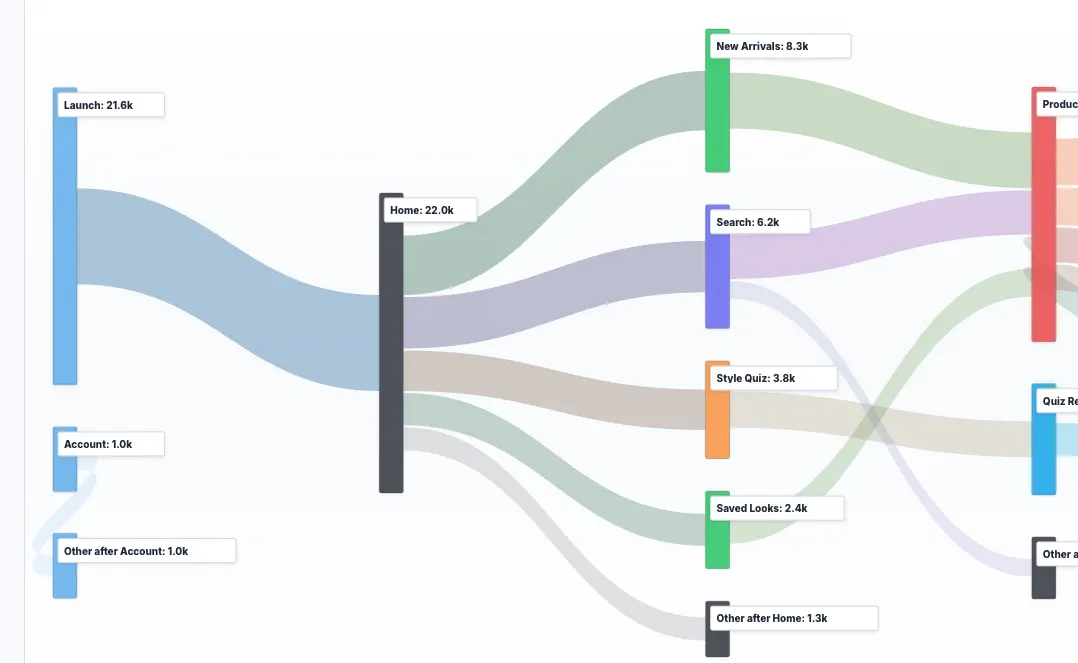
Rejourney open-source user journey analytics view
Inspect the replay workflowReplay data is close to users. Open source gives technical teams more confidence in capture, deployment, masking, and long-term control.

Trust starts at the capture boundary

Replay tools run inside your product and observe behavior that users rarely think about explicitly. That does not make replay bad, but it does mean teams should know what is captured, masked, stored, and shared.

Open source gives technical teams a way to inspect that boundary: SDK behavior, redaction rules, payload shape, deployment options, retention, and the path to self-hosting if requirements change.

Rejourney pairs that source-visible base with a practical workspace for replay, journeys, heatmaps, crashes, ANRs, API context, and analytics.

The SDK boundary is where trust is earned

Replay tools run close to user behavior. They sit in the browser or mobile app, observe UI state, and send telemetry to infrastructure your team may depend on during incidents and support escalations.

Open source gives engineers a way to inspect that boundary: what the SDK records, how masking works, how payloads move, and what happens when you need to self-host or debug the telemetry path.

  • SDK capture behavior.
  • Masking and redaction rules.
  • Network payload shape.
  • Storage, retention, and self-hosting path.
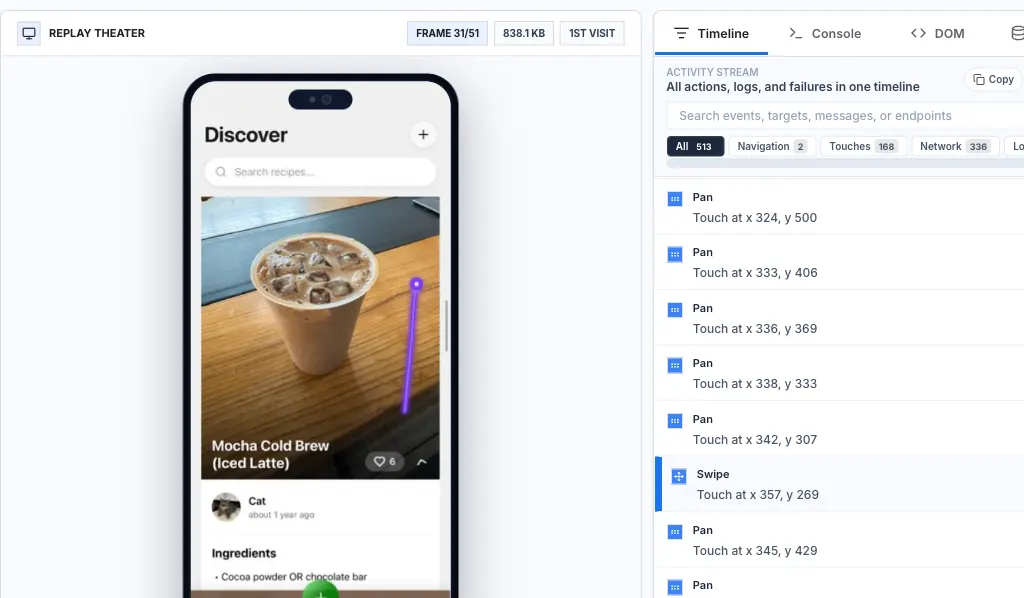
Rejourney session replay preview
Replay dataReview the behavior data your team depends on.

Audit before capture goes broad

Before replay goes broad, review what leaves the app. Look for user-entered text, private account data, internal admin views, tokens, uploaded files, and anything your privacy policy does not clearly support.

A source-visible tool does not remove privacy work. It makes that work inspectable, repeatable, and easier to discuss with security, legal, and engineering.

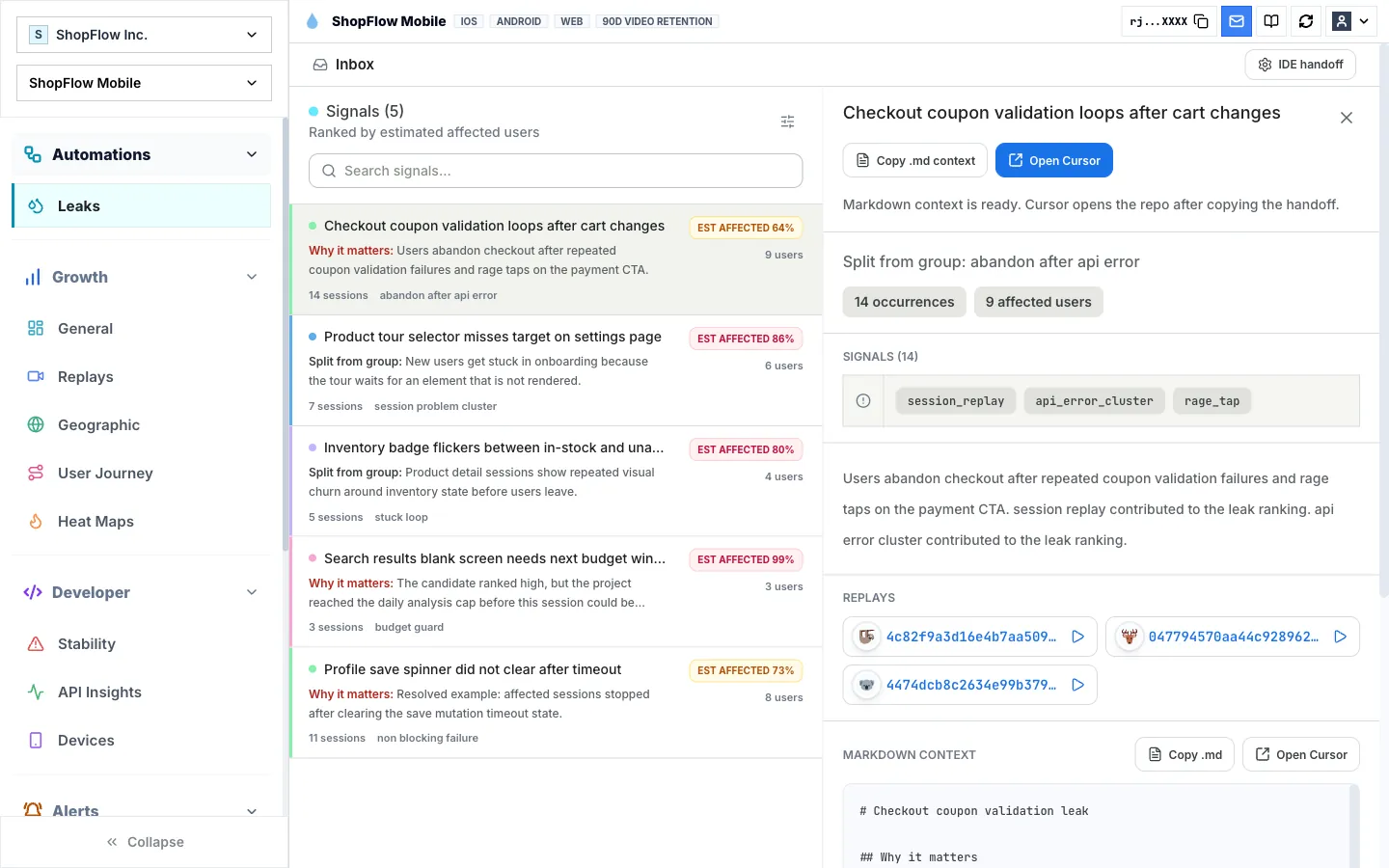
Rejourney issue detection inbox with ranked leak signals
Issue detectionBuild a workflow around ranked issues, replay evidence, and fix-ready context.

Self-hosting is an operating model

Self-hosting is useful only if the team knows who owns upgrades, backups, retention, alerts, and incident response. Treat replay infrastructure like a production service, because the product team will depend on it during real incidents.

The payoff is control. If requirements change, engineers can inspect the system, tune capture, change deployment posture, and keep product evidence available without being boxed into an opaque workflow.

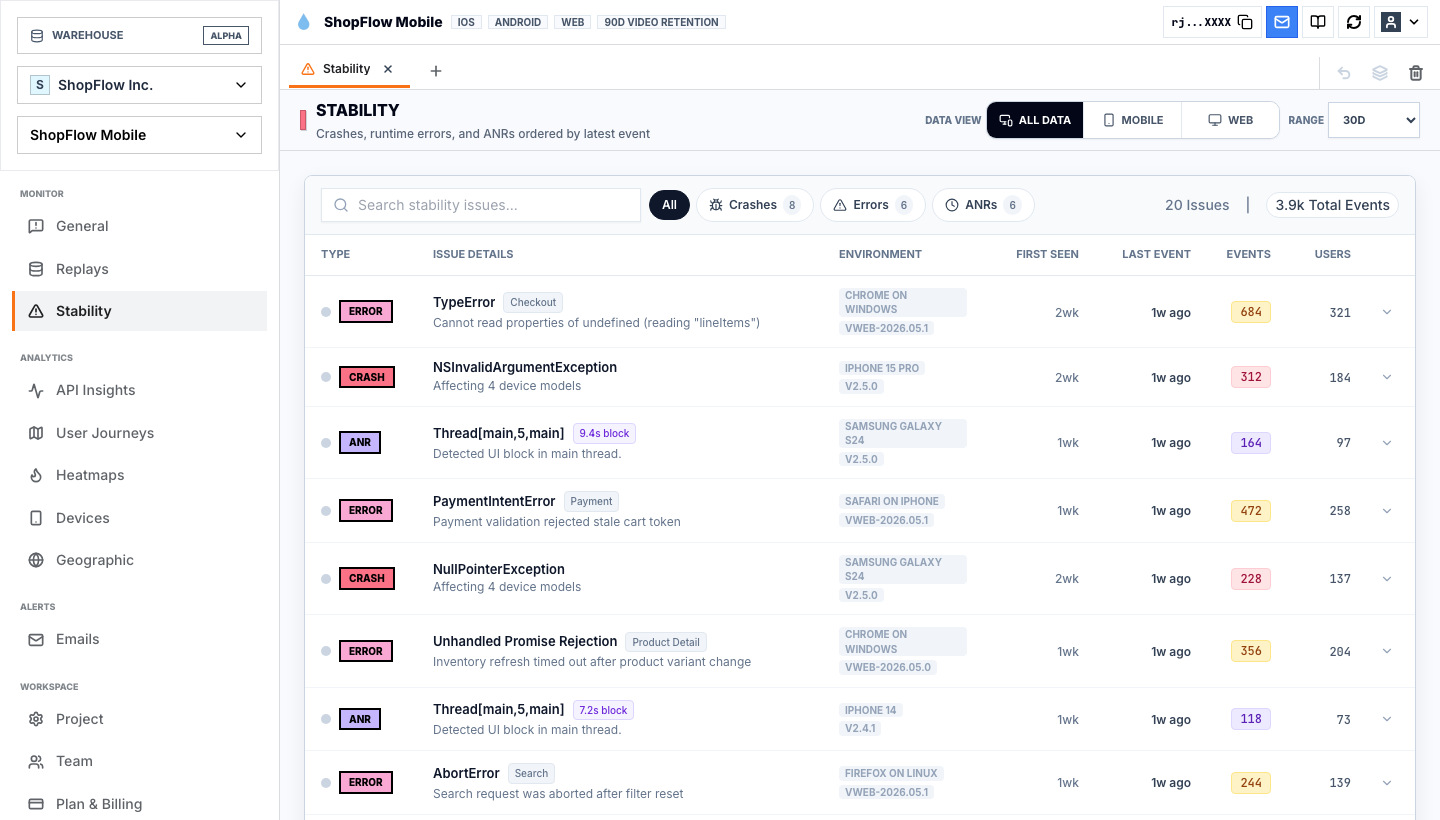
Rejourney live demo stability dashboard with crash and error context
Stability contextKeep replay, stability, and operational signals in a workflow the team can inspect.

Source visibility lowers exit risk

Closed analytics tools can become hard to leave because the team builds habits, queries, alerts, and support workflows around them. That lock-in is sharper for replay because the data is behavioral and operational, not a simple event table.

With source visibility, the team can understand the capture model, export assumptions, deployment shape, and parts of the stack it may need to keep if business or compliance requirements change.

Implementation notes

These are the checks another engineer should be able to use before trusting the feature in production.

  • Review SDK capture behavior and masking rules before enabling sensitive flows.
  • Document which environments use cloud, self-hosted, or disabled replay capture.
  • Define retention and access rules for replay data the same way you define them for logs.
  • Assign owners for upgrades, backups, and incident response if you self-host.
  • Keep an internal note for export, deletion, and incident-response workflows before replay becomes a support dependency.

When to use a lighter signal

  • You do not need to inspect SDK behavior, masking, storage, or deployment choices.
  • Your organization prefers a closed vendor suite with procurement and governance already solved.
  • You are comfortable with product and pricing changes you cannot audit or fork around.

Questions teams usually ask

Why does open source matter for session replay?

Replay data can include sensitive product behavior. Open source gives teams more auditability, deployment flexibility, and confidence in how the observability stack works.

Is Rejourney open source?

Yes. Rejourney is open source and includes self-hosting documentation for teams that want more control over their analytics and replay infrastructure.

Can open source still be easy for product teams?

Yes. Rejourney is designed to keep replay, analytics, heatmaps, journeys, and stability context approachable while still giving technical teams source visibility.

Related reading

  • Pricing: See Rejourney's fixed-price plans and included platform limits.
  • Live demo: Open the demo dashboard and inspect the replay, heatmap, journey, and stability views.
  • React Native SDK: Install mobile session replay for React Native and Expo apps.
  • Web SDK: Add browser session replay, analytics, and network capture to a web app.